
A distributor planning a private-label bag range should structure it around three decisions that stay fixed across every model: which bag formats to carry, what weight ladder to offer, and how each model is filled and covered. Lock those into a written specification, then resolve the commercial terms, before committing to tooling or a first order.
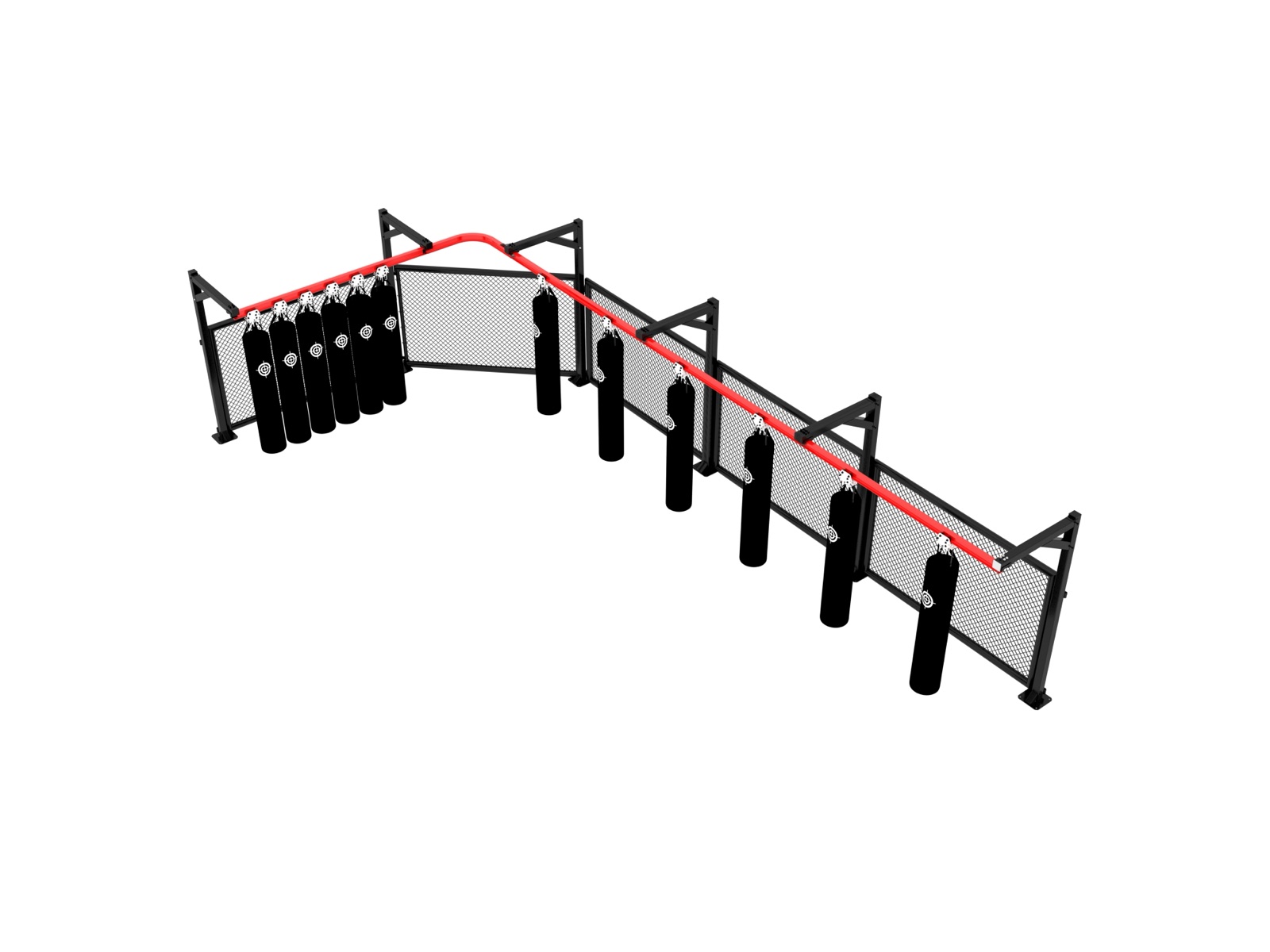
Structure the range around formats, not one hero bag
A private-label range is not a single heavy bag with a logo on it. Buyers order bags by the job they do, so the range has to be a small set of formats rather than one product repeated in different colors.
The hanging heavy bag is the anchor. It is by far the most popular punching bag used in boxing because it lets a fighter practice a wide range of punches, kicks, knees, and other movements. These bags are typically cylindrical and 4 to 5 feet tall, and they may weigh 40 to 100 pounds or more.
From there, decide which special shapes earn a place. Freestanding bags sit on a heavy base or suction cups, so the buyer does not need to drill into a ceiling or wall, and can move the bag around. Uppercut and angle bags are smaller and shaped for hooks and uppercuts. Teardrop and wrecking-ball bags are rounder and heavier, built for power punches and clinch work. A longer, full-length bag is the standard choice when the end customer trains kicks as well as punches.
The point of naming the formats up front is scope control. A distributor that tries to carry every shape on day one gets a catalogue full of near-duplicates and a quote sheet that never closes. Pick four to six formats, and write the specification for each.
Lock a weight ladder for each format
Weight is the main way buyers choose a bag. The standard heavy bag has a typical weight range of 70 to 150 pounds. The common rule of thumb is your body weight divided by two equals the ideal bag weight, so a 180-pound user starts around a 90-pound bag.
Uppercut and angle bags are lighter, typically 40 to 80 pounds. Teardrop and wrecking-ball bags usually run 60 to 120 pounds. A full-length Muay Thai bag starts heavier, often 100 to 200 pounds.
For a private-label range, the ladder does two jobs: it lets a reseller match the right bag to the right buyer, and it gives you a repeatable specification so the 70-pound bag you sold in one market is the same 70-pound bag you ship to the next.
Specify fill and shell materials per model
The most common fill for modern heavy bags is textile or fabric scraps, which give a consistent, dense, shock-absorbing surface. Some bags add sand to raise weight, but in sandbag form inside a textile-filled bag rather than loose, because loose sand settles to the bottom and creates hard spots. Water is used as the core fill in a growing number of freestanding and hybrid bags. A bag should never be filled with sand aloneâloose sand compacts over time and turns brick-hard.
The shell matters for both feel and freight weight. A synthetic leather or vinyl shell is lighter than a genuine leather or canvas bag, and that weight difference changes the landed cost on a container of bags.
Keep hanging and freestanding as separate lines
A hanging bag and a freestanding bag solve different problems. Hanging bags need a mounting point, chain, and swivel. Freestanding bags need a fillable base, usually filled with sand or water. They also freight differently and get returned for different reasons, so keep them in separate lines with separate specifications.
A range map to work from
| Bag format | Typical weight | What it is for |
|---|---|---|
| Hanging heavy bag | 70â150 lb | Power, combinations, general boxing |
| Full-length / Muay Thai bag | 100â200 lb | Kicks, knees, elbows |
| Freestanding bag | filled base + top | Home and studio spaces, no mounting |
| Uppercut / angle bag | 40â80 lb | Hooks, uppercuts, rhythm work |
| Teardrop / wrecking ball | 60â120 lb | Body shots, clinch, conditioning |
Questions to ask a supplier before you quote
- What are the exact fill and shell materials for each model, stated by weight and thickness?
- What weight and dimension tolerances hold across production runs?
- What are the minimum order quantities by model and size, and how does lead time move with order size?
- Do bags ship pre-filled or empty, and what are the packaged dimensions and weight per container?
- What mounting hardware and base-fill instructions are included, and who supports defects or missing parts?
- Can the supplier hold the same specification and artwork across repeat orders and across markets?
FAQ
What are the main types of punching bags?
The main formats are the hanging heavy bag, the freestanding bag, uppercut and angle bags, teardrop and wrecking-ball bags, and full-length bags for kick-heavy training.
How heavy should a punching bag be?
As a rule of thumb, roughly half the user’s body weight. A 180-pound user starts around a 90-pound bag. Standard heavy bags run 70 to 150 pounds, while lighter and heavier shapes sit on their own ladders.
What are punching bags filled with?
Most modern heavy bags are filled with textile or fabric scraps, sometimes with sandbags, foam liners, or water cores added for weight, shape, and resistance. Loose sand alone is avoided because it compacts hard over time.
Which shell material should a private-label range use?
Synthetic leather or vinyl is lighter than genuine leather or canvas, which matters for both feel and freight cost. The choice should be written into the specification per model rather than left to the factory’s default.
Why separate hanging and freestanding lines?
They serve different buyers, freight differently, and fail for different reasons. Keep them in separate lines with separate specifications.
Next step
Send over the formats and weight ladder you want to carry, your target markets, and whether you need pre-filled or empty bags. EVB can then review the brief and confirm which fill, shell, MOQ, lead-time, and freight details still need technical verification before a quote is complete.