
Start by choosing between a foldable ring and a floor ring, because the two solve different customer problems. Then check the packed freight and the assembly support before you quote anything, and settle dropship versus holding stock. A foldable ring is a training product, not a competition one, so price and position it that way.[4]
Pick the segment before you pick a supplier
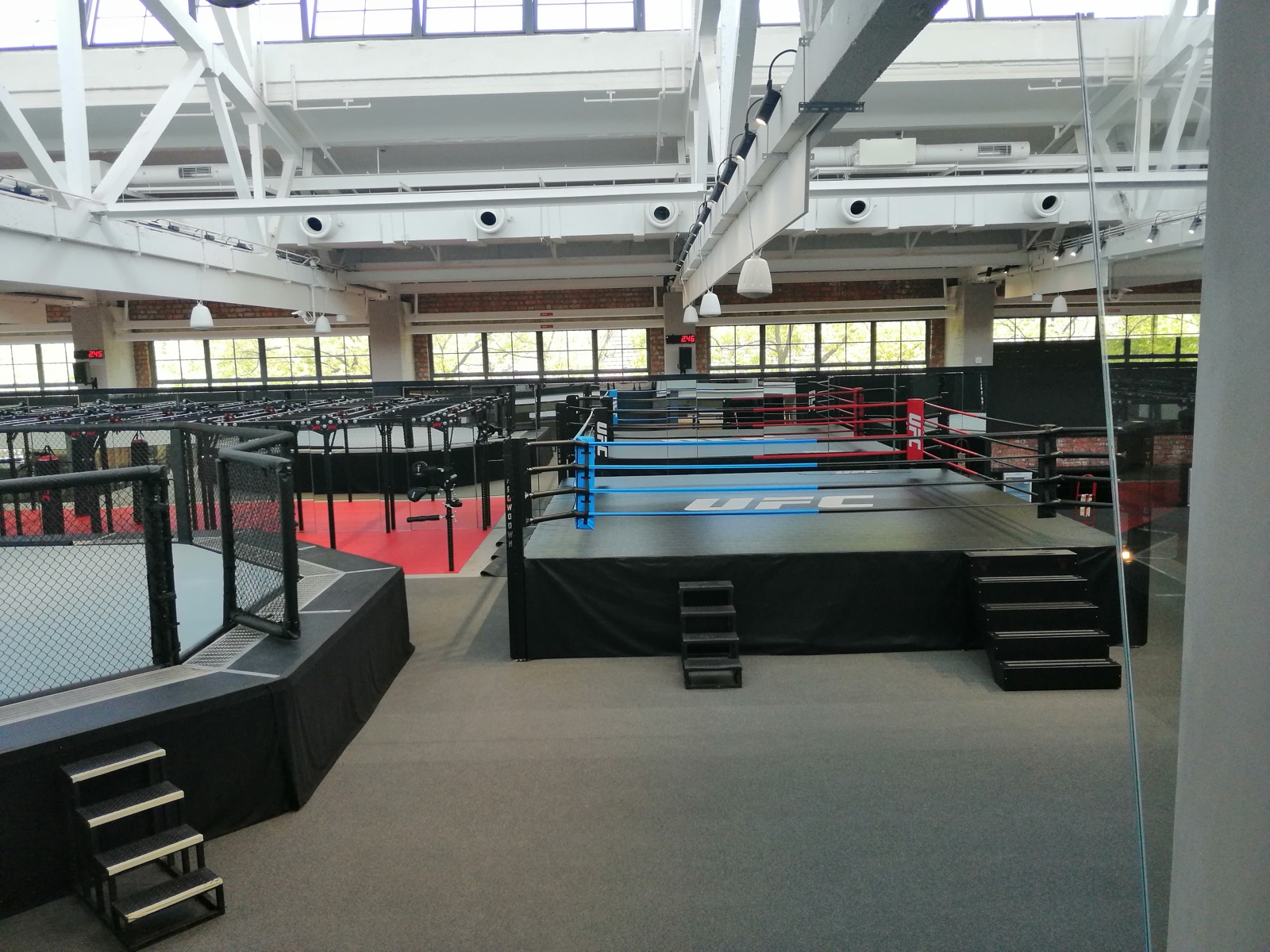
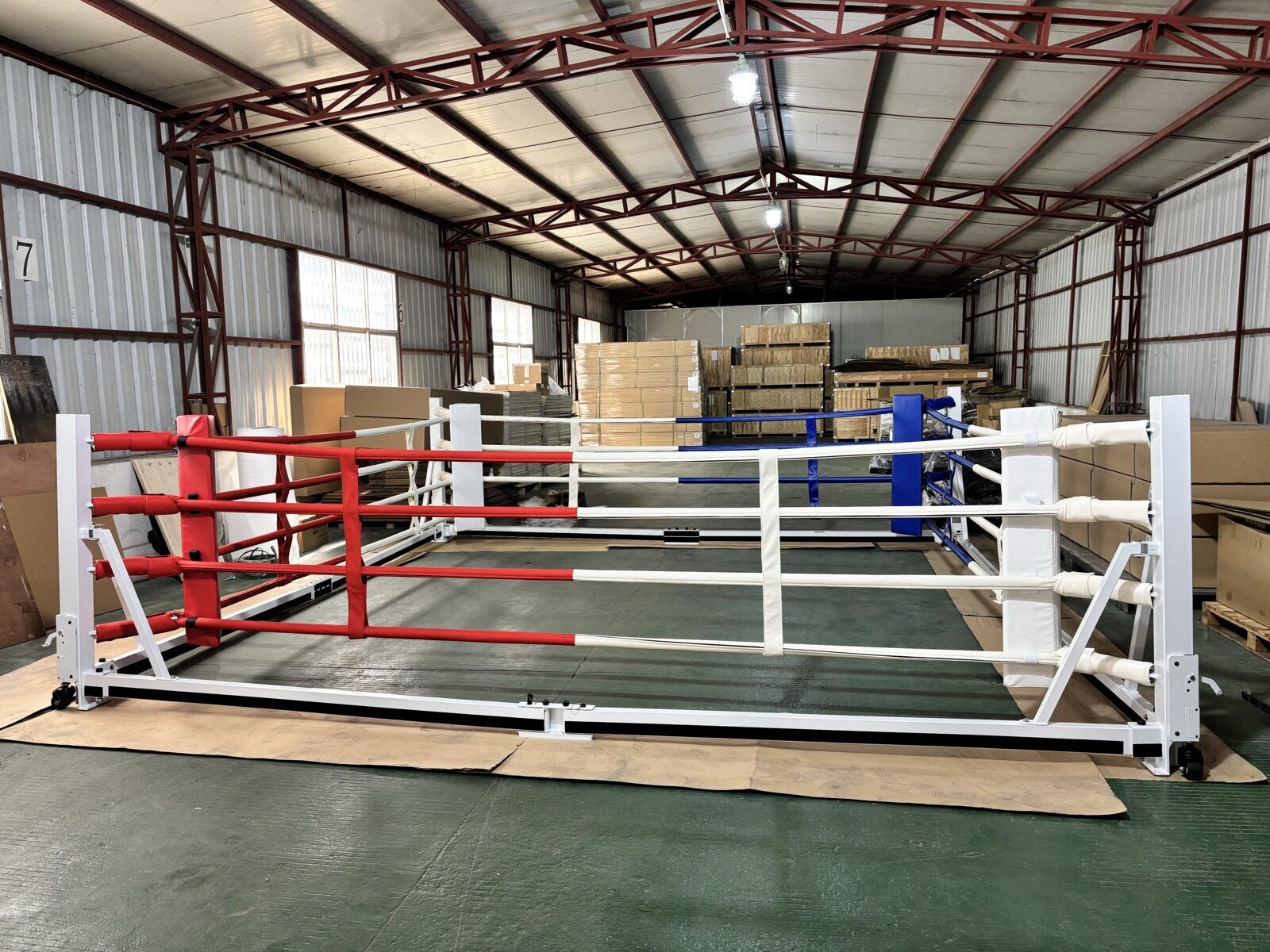
A floor ring delivers the same ropes, corner posts, and training experience without a raised platform, sitting directly on existing flooring, which cuts cost and removes the fall risk of an elevated apron.[1] A foldable ring solves a different problem: it folds up against the wall when not in use and returns the whole footprint.[1]
The floor ring is the entry point for a buyer with a fixed training area who wants a real ring without platform cost. The foldable ring is for a buyer who needs the same floor to serve several jobs. Sizes vary by supplier and model, so confirm dimensions before quoting.[1][5] If you are weighing a foldable ring against a permanent installation, see our foldable vs fixed boxing ring comparison.
Your buyer is space-constrained, not price-driven
For a home gym or garage, a buyer needs a minimum of 14Ã14 feet of floor space and 10 feet of ceiling clearance, with extra safety clearance on each side.[2] A regulation-height ring needs roughly 11 feet of clearance, and garages with 8 to 9 foot ceilings cannot fit oneâexactly where a foldable or floor ring takes over.[2] Roughly 80% of garage installations need floor reinforcement before a full ring goes in.[2]
Sell to that constraint. The foldable ring’s whole value is that it saves space when stowed; the floor ring’s value is that it needs no platform. A listing that explains the ceiling and floor numbers will convert better than one that just shows a picture.
Freight is the quiet cost
Steel frames handle 800 to 1,500 pounds of load, which is why they last, but it also means the packed product is a big, heavy crate.[2] Shipping cost for heavy steel frames is a leading risk for home-ring sellers.[3] This is the fact that decides your fulfilment model.
Assembly support decides your returns rate
Assembly time varies by model, so ask the supplier for the real number and the manual that backs it.[4] Ask for step-by-step instructions, a setup video, and a way to answer questions when a buyer gets stuck.[2] Folding joints are a known wear point, so confirm spare parts exist.[3]
Dropship or stock: make it a cash decision
Dropshipping keeps you out of inventory risk but absorbs high single-unit freight. Holding stock gives margin and control, at the cost of capital tied up in heavy crates. Most small sellers are better off testing demand with a single model before committing to a container.
A comparison to work from
| Ring type | What it solves | Space behaviour | Buyer profile |
|---|---|---|---|
| Floor ring | Real ropes, no platform | Sits on existing floor | Home gym, small studio, youth programs |
| Foldable ring | Disappears between sessions | Folds to the wall | Multi-use rooms, rented units, events |
| Elevated ring | Competition platform | Permanent footprint | Clubs hosting fights, dedicated gyms |
FAQ
Is a foldable boxing ring approved for competition?
No. It is designed for training purposes only and is not intended for official competitions or professional events.[4]
How much space does a buyer need?
14Ã14 feet of floor space and 10 feet of ceiling clearance minimum for a home or garage setup.[2]
How heavy is a boxing ring to ship?
Heavy. Steel frames handle 800 to 1,500 pounds of load, and the packed product is a large steel crate.[2][3]
Should I dropship or hold stock?
Test demand first, then match the model to the buyer you can actually reach.
Next step
Tell EVB which segment you want to enter (foldable or floor), the buyer you are selling to, and the quantity you can commit to. EVB can then confirm the sizes, packed freight, assembly support, MOQ, and lead-time details that still need verification before a quote is complete.